
Tree felling is one of those tasks that looks far more straightforward from a distance than it proves to be in practice. A large tree coming down in a residential setting involves forces, angles, and variables that demand genuine expertise to manage safely. The consequences of getting those calculations wrong are immediate, serious, and expensive in ways that make professional involvement worth every consideration.
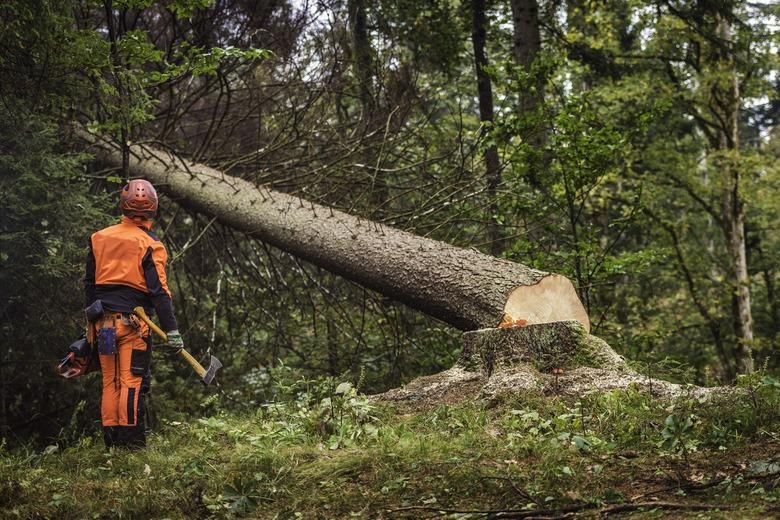
Safe Tree Felling Requires More Than a Chainsaw and Confidence
Removing a tree from a residential property in a populated area is a technical undertaking that rewards expertise and punishes improvisation. Property owners who understand what is at stake trust professional Garsfontein tree felling specialists who bring the skills, equipment, and situational assessment needed to bring trees down safely without damage to structures, vehicles, or surrounding vegetation.
Accurate Fall Zone Assessment Prevents Costly Mistakes
To begin with, determining where a tree will fall and controlling that outcome reliably requires an assessment of multiple variables that an untrained eye simply cannot evaluate accurately. The tree’s natural lean, the distribution of canopy weight, internal decay that affects structural integrity, wind direction on the day of the fell, and proximity to structures and boundary walls all influence how the removal must be planned and executed. A professional tree felling team reads these variables accurately and implements directional felling techniques, rigging systems, and sectional removal approaches that place every piece of the tree exactly where it needs to land rather than where gravity and chance decide.
Proximity to Structures Demands Sectional Removal Expertise
Furthermore, the majority of residential tree removals in Garsfontein cannot be executed as simple fell-and-clear operations because the trees in question sit too close to buildings, walls, paving, and neighboring properties to allow a full directional fell without risk. Sectional removal, in which the tree is dismantled from the top down in controlled pieces that are rigged and lowered rather than dropped freely, is the technique that makes removal possible in confined spaces without transferring the cost of removal to the neighbor’s wall or the homeowner’s roof. This technique requires trained climbers, appropriate rigging equipment, and ground crew coordination that the professional team brings to every job as standard practice.
Stump Management Completes What the Fell Begins
Another aspect of professional tree felling that property owners benefit from addressing as part of the same project is stump removal. A stump left in place following tree removal creates a persistent set of problems including pest harborage, regrowth from the root system, and an obstacle that complicates landscaping, paving, and lawn maintenance for as long as it remains. Professional stump grinding reduces the remaining stump below surface level, eliminates the root collar that drives regrowth, and leaves the area ready for whatever landscaping or construction plans follow the removal without requiring a separate mobilization at additional cost.
Insurance and Liability Considerations Matter in Residential Settings
Finally, professional tree felling companies operating legitimately carry public liability insurance that protects property owners from financial exposure if something unexpected occurs during the removal process. Working with an uninsured operator transfers that risk entirely to the homeowner, which in a densely populated residential area like Garsfontein represents an exposure that the modest cost difference between professional and informal operators does not justify accepting.
Conclusion: Safe Tree Felling Requires More Than a Chainsaw and Confidence
To wrap it all up, professional tree felling combines accurate assessment, sectional removal expertise, stump management, and proper insurance coverage into a service that protects property, people, and peace of mind from the first cut to the final cleanup.
Recent Comments